1. Leather Grades Decoded: The 'Genuine Leather' Myth
Few clothing items carry the enduring cultural cachet of a well-crafted leather jacket. From 1950s rebellion to modern runway minimalism, a quality leather jacket represents an heirloom investment that should outlast its owner. Yet the modern retail market is saturated with misleading terminology designed to sell low-grade scrap hides at luxury prices.
The single greatest marketing deception is the term 'Genuine Leather'. Far from signifying superior quality, genuine leather in industry parlance denotes the lowest grade of real animal hide. It is produced from the fibrous split layers remaining after the valuable top grain has been shaved away, subsequently spray-painted with polyurethane and stamped with artificial grain patterns. Within two to three years of wear, genuine leather inevitably peels and cracks.
At the pinnacle of durability sits Full-Grain Leather. This represents the outermost epidermis of the hide with all its natural marks, pore structures, and density intact. Full-grain leather is impervious to moisture when conditioned and absorbs natural oils over time, developing a breathtaking vintage patina.
Top-Grain Leather occupies the sensible middle tier: the upper layer is lightly buffed to remove surface blemishes, offering a uniform, supple finish that remains highly durable while weighing slightly less.
2. Iconic Silhouettes: Double Rider, Cafe Racer, and Flight Bomber
Choosing the right silhouette dictates how versatile your jacket will be across casual and smart-casual wardrobes.
The Double Rider (Asymmetrical Biker): Born in 1928 with the Schott Perfecto, this design features an asymmetrical front zipper, snap-down notched lapels, and often a waist belt. When zipped, the overlapping front panels create double-layer wind protection over the chest. It projects raw rebel attitude and pairs impeccably with raw selvedge denim and heavy boots.
The Cafe Racer (Band Collar): Originally designed for 1960s British motorcycle enthusiasts seeking aerodynamic speed, the cafe racer is stripped of excess ornamentation. It features a clean symmetrical center zipper, a minimalist mandarin snap collar, and zippered chest pockets. Its sleek, unadorned geometry makes it the easiest leather jacket to dress up over button-down oxford shirts and tailored wool trousers.
The A-2 Flight Bomber: Defined by ribbed wool cuffs, a ribbed hem, and flap cargo pockets, the bomber offers relaxed comfort with military pedigree. Its blouson fit is forgiving for broader torsos.
- Double Rider: Asymmetrical zipper, wide lapels, aggressive masculine edge.
- Cafe Racer: Clean lines, band collar, minimalist versatility.
- A-2 Bomber: Knit waistband and cuffs, roomy chest, heritage aviation charm.
- Shearling Aviator: Heavy sheepskin interior, oversized storm collar for sub-zero luxury.
3. Hide Species: Lambskin vs Cowhide vs Horsehide
The animal origin determines the jacket's weight, hand-feel, and break-in commitment.
Lambskin is exceptionally soft, lightweight, and pliable from day one. It requires virtually zero break-in period and drapes close to the body like a luxury second skin. However, its delicate tensile strength makes it vulnerable to scuffs and tears against abrasive brick or tarmac.
Cowhide and Steerhide represent the rugged heavyweight workhorses. Stiff and armor-like when brand new, a cowhide jacket requires weeks of active wear and body warmth to break in. Once molded to your elbows and shoulders, it offers decades of indestructible durability.
Horsehide (front-quarter) is the purist's holy grail: dense, naturally water-repellent, with an incredible glossy depth that creases rather than folds, creating museum-grade patina over a lifetime of use.
4. The Leather Fit Equation: The Stretch and Break-In Reality
The cardinal mistake when purchasing a leather jacket is buying one that feels completely loose and comfortable over a heavy hoodie in the dressing room. Unlike woven textiles that maintain fixed dimensions, natural leather responds to body heat by expanding horizontally along lines of pressure.
Over the first twenty to thirty hours of wear, a leather jacket will stretch approximately half a size across the chest, upper back, and biceps. Therefore, when trying on a new leather jacket over a standard t-shirt, it should feel remarkably snug—bordering on tight across the shoulder blades—while still allowing you to fully zip the front.
Crucially, leather will never stretch in length. The sleeve hem must reach precisely to the base of your thumb when arms are resting down, ensuring that when you raise your arms or ride a motorcycle, the sleeve does not ride up above your wrist bone.
The torso length should hit just below your belt line; an oversized, long leather jacket instantly makes your legs look short and clumsy.
5. Testing Leather Jackets with VirtuStyle AI Before Investing
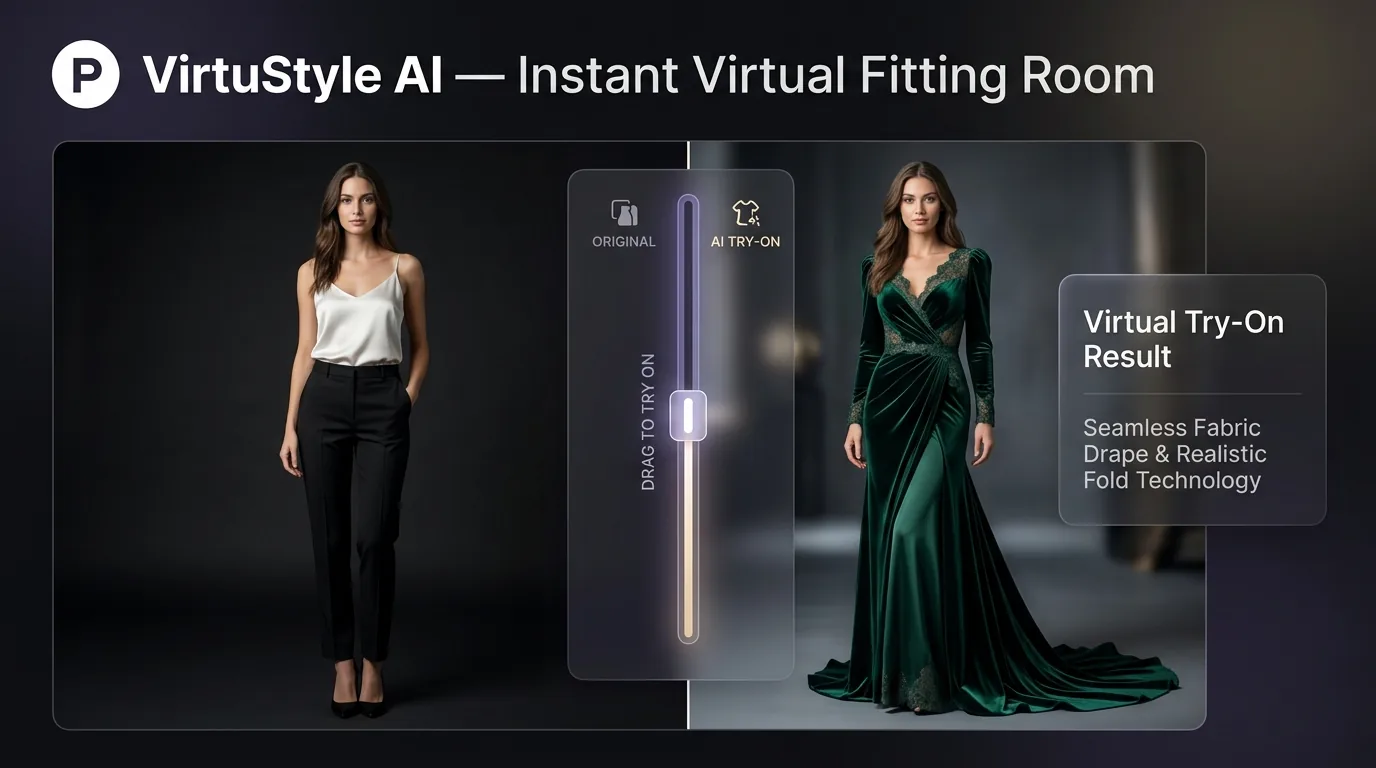
Use VirtuStyle AI to explore biker, racer and bomber jacket styles on your own photo. Upload a person photo and a clear garment image, then compare the generated appearance with the original product.
Treat the result as an illustration of a possible look. The model may change construction details, patterns or proportions; it does not calculate verified body dimensions or simulate material physics.
Check the retailer’s measurements and fabric description separately. A generated image cannot establish comfort, support, warmth, stretch or how the item behaves while moving.
If a detail is unclear, try a clearer source image and compare again. Keep the original product page for checking measurements and return conditions before ordering.
Frequently asked questions
How often should I condition a leather jacket?→
Apply a high-quality leather conditioner once or twice a year, preferably before autumn and after winter. Avoid silicone-based sprays, which clog natural leather pores.
Can a leather jacket be altered by a regular tailor?→
No. Leather tailoring requires heavy-duty industrial walking-foot sewing machines and specialized needles. Needle punctures in leather are permanent, so always consult a dedicated leather specialist.
Should my leather jacket be black or brown?→
Black offers urban edge, rock-and-roll coolness, and matches monochrome wardrobes effortlessly. Rich dark brown (espresso or cognac) offers heritage warmth and pairs beautifully with indigo denim, khakis, and knitwear.
How does VirtuStyle AI simulate leather stiffness?→
You can explore biker, racer and bomber jacket styles as a visual preview. Generated details and colours can differ from the actual garment. This tool cannot verify measurements, tightness, support or comfort; check those with the seller.
What to remember
The Definitive Leather Jacket Guide. Use the practical checks above to shortlist options, then verify size, materials and comfort with the seller. A virtual preview can help you compare appearance, but cannot guarantee fit or replace a physical fitting.